
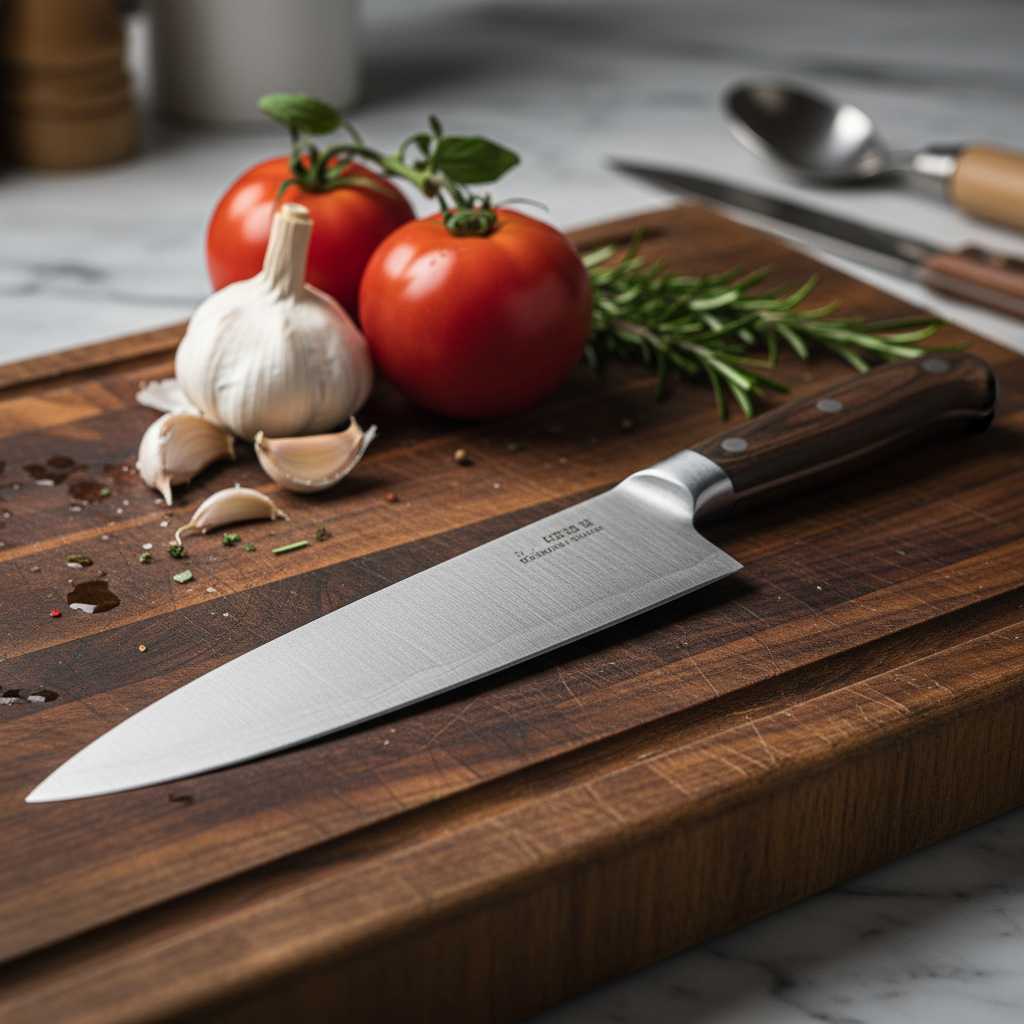
The Heart of the Kitchen: Why Your Knife Matters
In the world of culinary arts, few tools are as iconic or as vital as the kitchen knife. Whether you are a professional chef in a Michelin-starred restaurant or a home cook preparing a simple weeknight dinner, your knife is the primary interface between your hands and your ingredients. A high-quality, well-maintained knife does more than just cut; it provides precision, safety, and efficiency. It transforms the labor-intensive task of chopping into a rhythmic, almost meditative process. Understanding how to choose, use, and care for these tools is the first step toward culinary mastery.
The Core Trio: The Only Knives You Truly Need
While many department stores sell massive block sets containing twenty different blades, most culinary experts agree that you can accomplish 95% of kitchen tasks with just three essential knives. Investing in quality over quantity is the hallmark of a savvy cook.
1. The Chef’s Knife (8-inch)
The Chef’s Knife is the workhorse of the kitchen. Characterized by a broad blade and a curved edge, it is designed for chopping, slicing, and dicing. The curve allows for a rocking motion on the cutting board, making it easy to mince herbs or finely dice onions. A standard 8-inch blade provides enough length for large vegetables like squash but remains manageable for smaller tasks. It is the one tool you should spend the most money on, as it will be in your hand more than any other.
2. The Paring Knife (3.5-inch)
For tasks that require delicate precision, the Paring Knife is indispensable. With its small, nimble blade, it is ideal for peeling fruit, deveining shrimp, or removing the eyes from potatoes. Unlike the chef’s knife, the paring knife is often used while holding the ingredient in the air rather than on a cutting board, demanding a lightweight and comfortable handle.
3. The Serrated Bread Knife
A Serrated Knife features a long blade with a tooth-like edge. This design is crucial for cutting through materials with a hard exterior and a soft interior without crushing them. While its primary use is bread, it is also the best tool for slicing ripe tomatoes, citrus fruits, or delicate cakes. Because these blades are difficult to sharpen at home, many cooks opt for a mid-range serrated knife and replace it after several years of heavy use.
Anatomy and Construction: What to Look For
When shopping for a knife, it is important to understand the terminology used by manufacturers. A knife is more than just a piece of metal; its construction determines its balance, durability, and performance.
- Forged vs. Stamped: Forged knives are made from a single piece of heated steel that is pounded into shape. They are typically heavier, stronger, and more expensive. Stamped knives are cut out of a large sheet of steel. While modern technology has made high-quality stamped knives possible, forged knives are generally preferred for their superior balance.
- The Tang: The tang refers to the part of the blade that extends into the handle. A “full tang” knife has steel running all the way to the butt of the handle, providing the best stability and weight distribution.
- The Bolster: This is the thick junction between the handle and the blade. It acts as a finger guard and adds weight to the center of the knife, improving control.
- Steel Composition: High-carbon stainless steel is the gold standard. It combines the rust resistance of stainless steel with the edge retention and ease of sharpening found in carbon steel.
Mastering the Grip and Technique
The way you hold a knife significantly impacts your safety and the consistency of your cuts. The most common mistake beginners make is holding the knife entirely by the handle with all four fingers wrapped around it. Instead, professional chefs use the Pinch Grip.
To achieve the pinch grip, grasp the blade itself between your thumb and the side of your index finger right at the bolster, then wrap your remaining three fingers around the handle. This grip offers maximum control over the blade’s movement. Additionally, the hand not holding the knife should adopt the “claw” position. By tucking your fingertips inward and using your knuckles to guide the side of the blade, you drastically reduce the risk of accidental cuts.
The Art of Maintenance: Honing vs. Sharpening
A dull knife is a dangerous knife. It requires more pressure to cut, increasing the likelihood of the blade slipping. To keep your tools in peak condition, you must distinguish between honing and sharpening.
- Honing: This is done with a honing rod (often mistakenly called a sharpening steel). Honing does not remove metal; instead, it realigns the microscopic “teeth” of the blade that bend during use. You should hone your knife almost every time you use it to maintain its edge.
- Sharpening: This involves removing small amounts of metal to create a new, sharp edge. This is typically done with a whetstone or a professional sharpening service. Most home cooks only need to sharpen their knives once or twice a year depending on usage.
Cleaning and Storage
To ensure your knives last a lifetime, follow these three non-negotiable rules:
- Never put your knives in the dishwasher: The high heat, harsh detergents, and rattling can warp the blade and damage the handle. Always hand-wash with warm soapy water and dry immediately.
- Avoid glass or stone cutting boards: These materials are harder than the steel of your knife and will dull the edge instantly. Stick to wood, bamboo, or high-quality plastic.
- Store safely: Do not throw your knives in a drawer where they can bump against other utensils. Use a magnetic strip, a knife block, or individual blade guards (sheaths).
Conclusion: A Worthy Investment
Buying a high-quality chef’s knife is an investment in your culinary future. It is better to own one exceptional knife than a drawer full of mediocre ones. By choosing a blade with good balance, mastering the pinch grip, and committing to hand-washing and regular honing, you will find that cooking becomes faster, safer, and infinitely more enjoyable. Your knife is your most important partner in the kitchen; treat it with respect, and it will serve you for decades.